The Only Guide to L1 copyright
Table of ContentsL1 copyright for DummiesL1 copyright Fundamentals ExplainedAn Unbiased View of L1 copyrightThe 10-Second Trick For L1 copyrightHow L1 copyright can Save You Time, Stress, and Money.
L-1 visas are offered to employees of a worldwide business with workplaces in both the USA and abroad. L1 copyright. The copyright allows such foreign employees to transfer to the company's United States workplace after having worked abroad for the business for at the very least one continuous year within the previous 3 before admission in the USOne L-1 copyright can permit numerous workers access into the United States.
Since 2000, Indian nationals are the largest receivers of L-1 visas. The variety of L-1 visas offered to Indian nationals leapt from 4.5 percent in 1997 to 43.8 percent in 2006. In 2019, Indian nationals got 18,354 L-1 visas, accounting for 23.8% of all L-1 visas released in 2019. According to USCIS information, the largest companies to receive L-1 visas in 2019 were Tata Working as a consultant with 1,542 approved L-1 copyright requests, Infosys with 517, Amazon with 455, Observant with 382, and Deloitte with 305.
Congress produced the L-1 copyright in 1970. The original copyright required that the job tenure match directly prior to using for the business transfer.
The Facts About L1 copyright Revealed
Major Indian outsourcing companies such as Tata, Infosys, and Wipro significantly utilized the L-1 copyright team American international companies. Half of Tata's employees brought to the USA came on L-1 visas. The North American Open Market Agreement had provisions regarding intracompany transfers between the U.S., Canada, and Mexico.
In 2003, the Senate Judiciary Committee held a hearing on the L-1 copyright. In financial year 2004, the number of L-1B visas surpassed the number of L-1A visas.
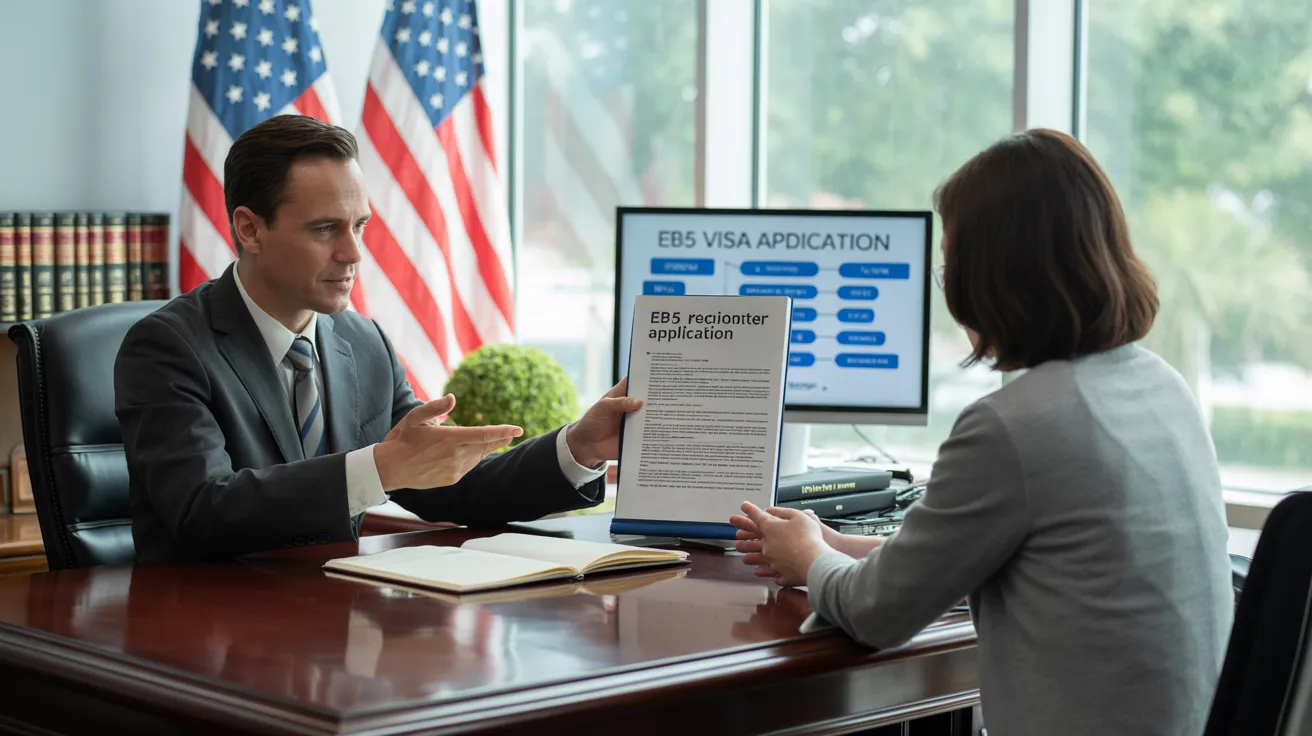
Candidates who remain in the United States at the time of the declaring of the I-129 can ask for a change of status from their existing nonimmigrant status (i.e. site visitor, trainee, and so on), as long as they are in status at the time of the declaring of the I-129. If they go out of condition after the declaring, however prior to approval, there is no adverse repercussion, and the individual does not build up illegal presence.
Children of the main L-1 can go to school. The partner of the primary L-1 has an automatic right to operate in the United States. Children can not accept paid work. The explore your L1 copyright spouse can, however need not, apply with the USCIS for work authorization after arriving in the United States and, after issuance of the Work Permission Document (EAD, Kind I-765), may thereafter function for any employer.
Top Guidelines Of L1 copyright
An I-797 Notice of Activity revealing the approval of the copyright request does not guarantee that a copyright will be issued at the United state

The smart Trick of L1 copyright That Nobody is Talking About
For an L-1 copyright applicant, "double Intent" is permitted: unlike some classes of non-immigrant visas (e.g., J-1 visas (L1 copyright)), L-1 candidates may not be denied a copyright on the basis that they are an intending immigrant to the United States, or that they do not have a residence abroad which they do not mean to abandon
L-1 standing might be restored and extended within the USA. Other than in the instance of blanket petitions, a brand-new I-129 request must be submitted. Revival in the United States relates to condition just, not the actual copyright in the ticket. copyright revival, the candidate needs to go to an U.S

The Single Strategy To Use For L1 copyright
An individual in L-1 standing normally might function only for the petitioning company. If the L-1 employee gets in based on an L-1 covering, however, it typically is possible for the employee to be moved in the same ability to any kind of various other associated firm listed on the covering. The L-1 copyright program has been criticized for numerous factors.
In one example, The united state Division of Labor fined Electronic devices for Imaging $3,500 for paying its L-1 copyright employees $1.21 an hour and functioning some of them approximately 122 hours a week. Some sector reps have accused business of making use of the L-1 program to replace U.S. employees. Critics and federal government authorities have explained exactly how the copyright program does not define "specialized expertise" for foreign employees in the L-1B copyright group.
Comments on “Apply for L1 copyright”